Historic Preservation Scanning & Documentation
Document historic churches, civic buildings, custom homes, and irregular structures without relying on incomplete old drawings. We use 3D laser scanning to capture facades, interiors, structural geometry, and architectural details for restoration, adaptive reuse, and long-term digital archiving.
Preserve the Building Before You Change It
Northern California has a deep stock of historic churches, civic buildings, institutional campuses, and custom structures that carry decades of undocumented change. Laser scanning gives preservation architects, engineers, owners, and institutions a precise digital record before restoration, retrofit, seismic work, or adaptive reuse begins.
- Non-invasive capture of fragile or complex structures
- Strong fit for churches, civic buildings, and institutional campuses
- Point clouds, CAD elevations, sections, and floor plans
- A registered point cloud kept as a permanent preservation record
- Accurate base files for restoration architects
- Reduced site revisits during design and permitting
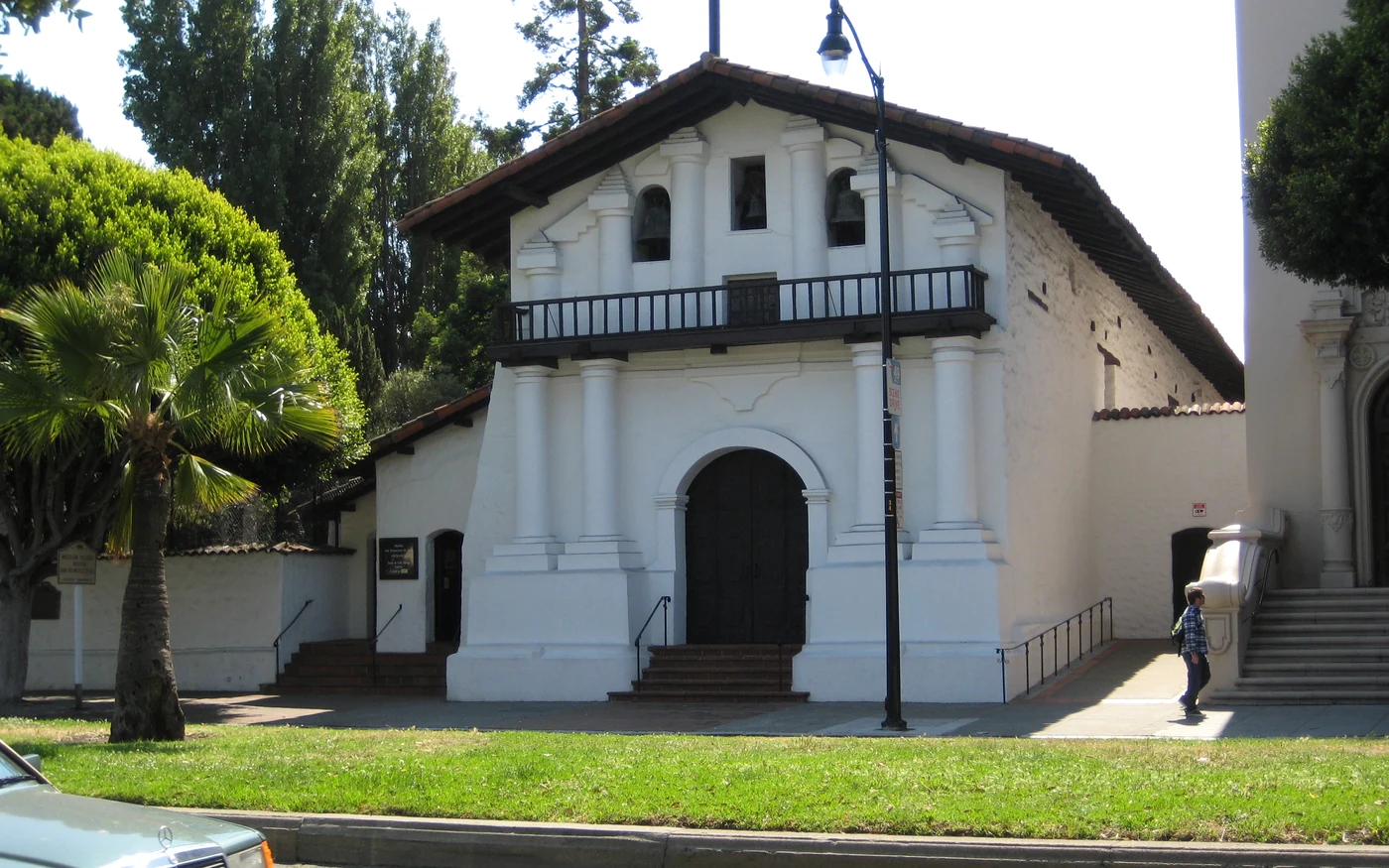
Preservation Record
A measured record of buildings that do not match old drawings.
Useful for churches, civic buildings, custom structures, facades, sanctuaries, retrofit planning, and archival records.
Common Preservation Deliverables
Registered point clouds for archive and future measurement.
CAD floor plans, roof plans, elevations, and sections.
3D linework for design and consultant coordination.
Sanctuary, facade, stair, corridor, and detail documentation for restoration teams.
Preservation Scope
We identify the elements that matter: facades, ornament, sanctuaries, roof forms, interiors, structural grids, or full-building documentation.
Reality Capture
Laser scanning records the building in detail without disturbing existing materials or requiring destructive investigation.
Drawing Production
We convert scan data into the formats your architects, engineers, consultants, or archive team need.
Design Support
Your team receives reliable existing-condition files that reduce guesswork through restoration, retrofit, and adaptive reuse.
Historic Preservation FAQ
Site Plan Surveys
Stamped site plan surveys, boundary + topographic base maps, and existing-condition documentation for Bay Area permit submittals.
3D Scanning
Capture existing conditions once and give every stakeholder a reliable source of truth.
Deformation Monitoring
Survey-grade deformation and settlement monitoring for distressed structures, buildings adjacent to excavation and shoring, retaining walls, and moving slopes.
Need Historic Building Documentation?
Tell us what your restoration, retrofit, or adaptive reuse team needs to document.
Meeting-first estimates • Response within 24 hours • Serious projects only